Key takeaways
- Soft spots, stains and peeling paint often mean water is getting in.
- A few damaged areas can usually be repaired.
- Widespread failure suggests it is time to replace.
- An early inspection is an easy way to avoid bigger damage.
What to look for outside
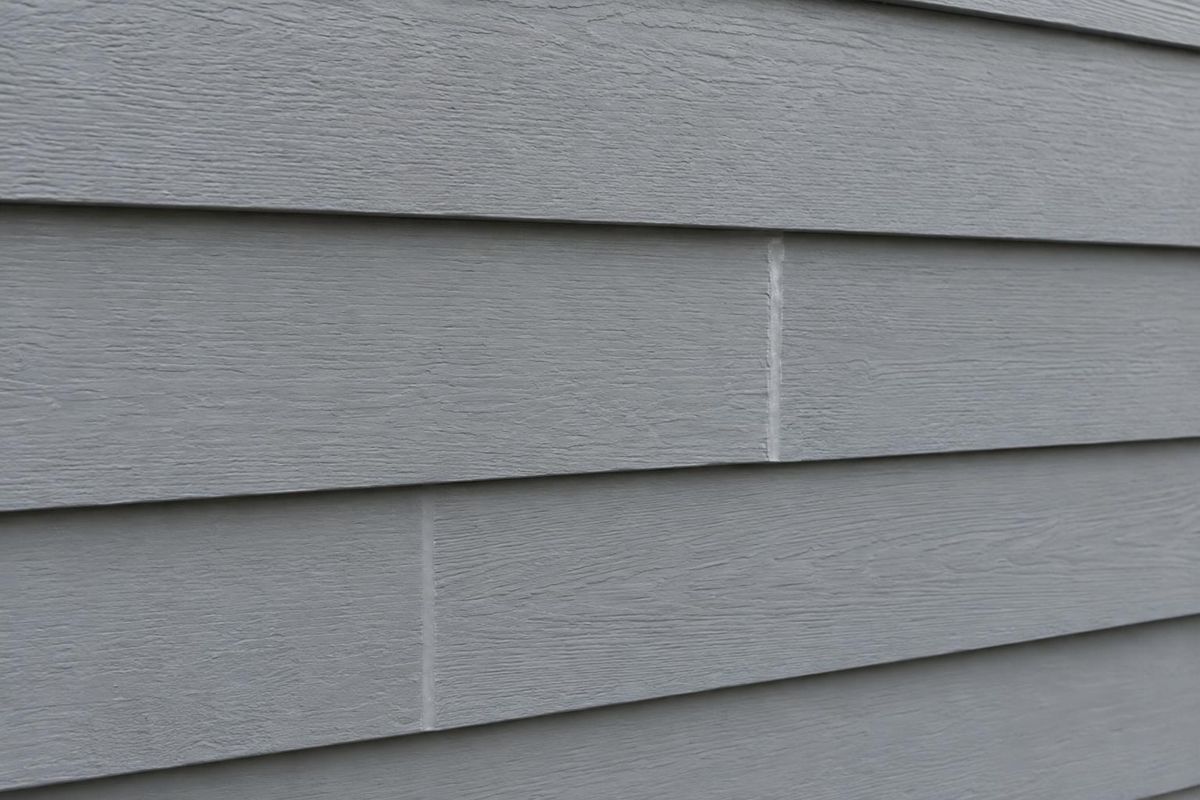
Walk around the house in good light. Look for cracked, warped or buckled panels, gaps at corners and trim, loose or missing pieces, bubbling or peeling paint, dark or green streaks, rust stains, holes from pests and fading that is uneven or chalky. Also check the base of the walls and under windows, where water tends to sit.
What to check inside
Water damage often shows up inside first: stains on walls and ceilings near exterior walls, peeling wallpaper or paint, musty smells, swollen baseboards and higher energy bills. Rising bills can mean air leaks or poor insulation in the wall, not just aging siding.
Repair or replace
If damage is limited to a few spots and the wall behind is sound, repair makes sense. If damage is widespread, the siding is brittle, the color is uneven or repairs keep coming back, replacement is usually the better path. A moisture meter and a look behind a few panels help decide.
Do not wait too long
Water that gets behind siding keeps working. A small gap this season can be a rotted corner next year. Prompt repairs are almost always simpler than waiting.
Official sites to explore
Brand names and logos belong to their owners. These links open the official websites in a new tab, and we are not affiliated with them.
Quick answers
How long should siding last?
It varies widely with material, installation, exposure and care. Many exteriors last for decades with proper maintenance.
Can I fix a few cracks myself?
Small fixes can be do-it-yourself, but hidden water damage needs a professional look.
Should I replace siding before selling?
Condition matters to buyers and inspectors. We can inspect and tell you what is worth doing.