Key takeaways
- A yearly walk-around catches problems while they are small.
- Soft washing is safer than high pressure for most siding.
- Caulk, paint and stain each have a schedule.
- Keep plants, soil and sprinklers away from the walls.
A yearly walk-around
Once a year, walk the house and look for loose or cracked pieces, failed caulk, peeling paint, stains and gaps at trim. Check the base of the walls, under windows and below roof edges. Note anything that looks different from last year.
Cleaning
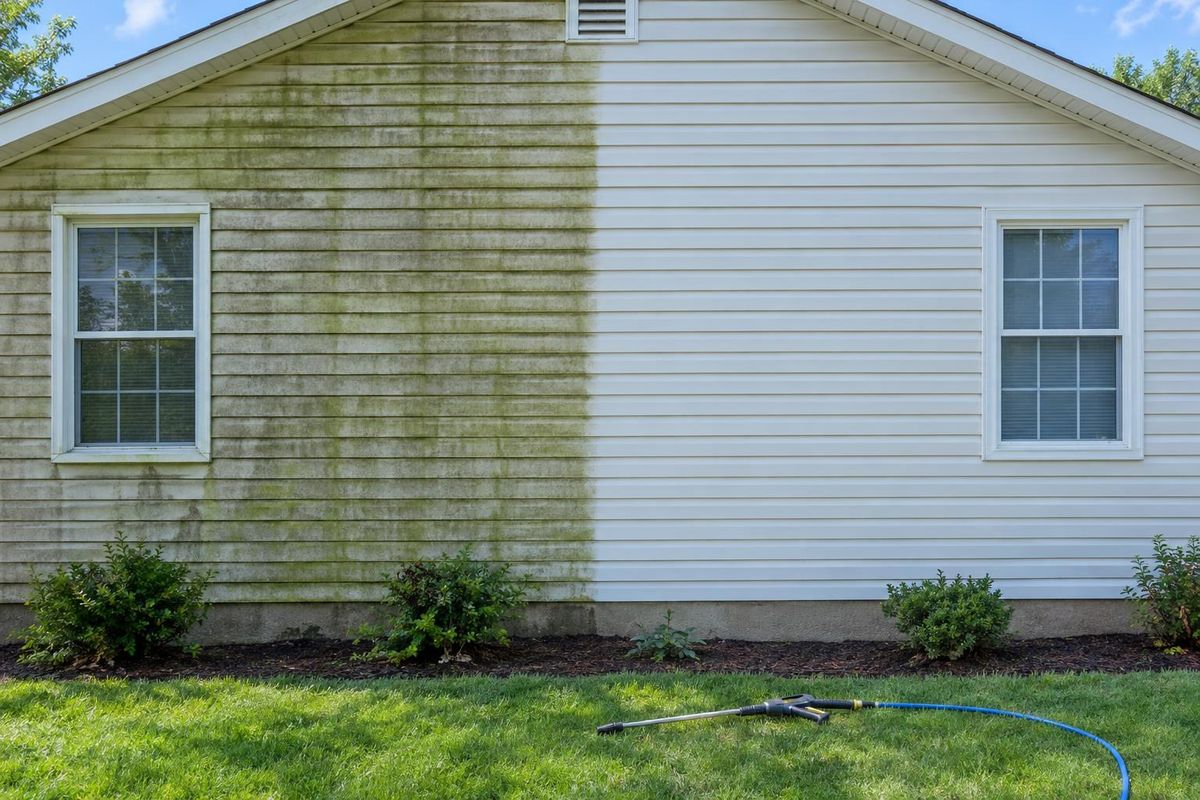
Most siding benefits from a gentle wash every year or two. Use a soft brush or low-pressure wash with a mild cleaner, rinse from the top down and avoid forcing water up under laps. High-pressure washing can damage siding and drive water behind it. Mildew often needs a cleaning solution made for exteriors, and plants should be protected.
Sealing, painting and staining
Check caulk every year and replace failed beads. Painted wood and fiber cement need new paint when the finish chalks, peels or fades. Stained wood needs refreshing on a schedule that depends on exposure. Vinyl and metal usually need cleaning rather than painting.
Keep it clear
Trim shrubs so air can reach the walls. Keep soil, mulch and firewood off the siding. Clean gutters and aim downspouts away. Point sprinklers away from the house. Small habits keep siding drier and longer-lived.
Official sites to explore
Brand names and logos belong to their owners. These links open the official websites in a new tab, and we are not affiliated with them.
Quick answers
How often should I wash my siding?
Many homes benefit from washing every year or two, depending on shade and humidity.
Is bleach safe on siding?
Strong chemicals can harm plants and some finishes. Use products made for siding and rinse thoroughly, or have it professionally soft washed.
When should I repaint?
When paint chalks, peels or fades noticeably, or when bare spots appear. Earlier is easier than later.