
Key takeaways
- No siding is perfectly watertight, so the layers behind it matter.
- Flashing at openings and roof edges is where most leaks start.
- Gutters, grading and mulch affect the base of walls.
- A moisture meter finds problems that eyes cannot.
Where the water comes from
Rain driven by wind gets behind siding at joints, around windows and doors and where roofs meet walls. Gutters that overflow pour water down the wall. Soil and mulch piled against siding wick moisture. Sprinklers that spray the wall add to it. Over time, repeated wetting rots sheathing and framing and feeds mold.
What keeps walls dry
A weather-resistive barrier lapped correctly drains water down and out. Flashing above and below openings, kick-out flashing at roof edges, sealed penetrations and clear drainage at the base of the wall do the rest. A ventilated gap behind the siding, called a rainscreen, helps it dry.
Warning signs
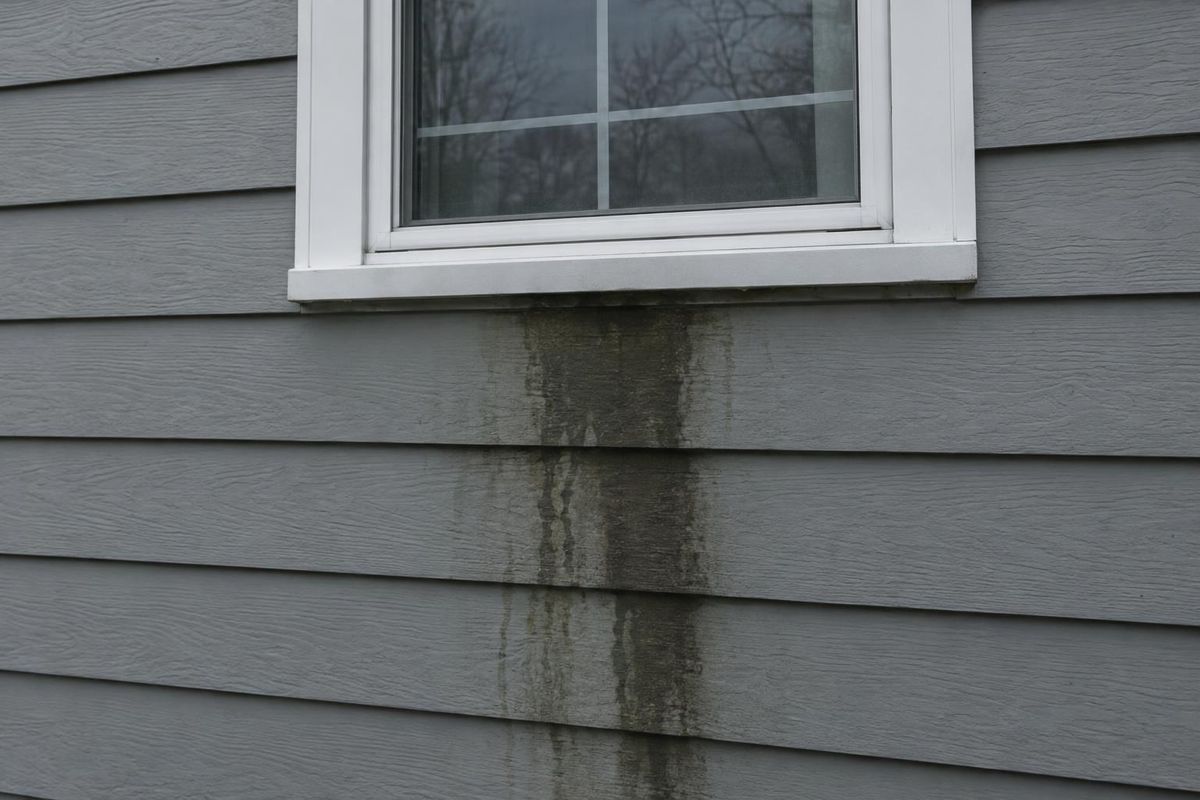
Stains below windows, bubbling paint, soft trim, musty smells, swollen baseboards, warped siding and mold growth on the exterior all suggest moisture. A moisture meter and a careful look behind the siding can find out how far it has spread.
What you can do
Keep gutters clean and pointed away from the walls, keep soil and mulch several inches below the siding, aim sprinklers away from the house, trim shrubs back and reseal gaps promptly. For anything bigger, get the wall inspected before the damage grows.
Official sites to explore
Brand names and logos belong to their owners. These links open the official websites in a new tab, and we are not affiliated with them.
Quick answers
Can water get behind vinyl siding?
Yes. Vinyl sheds most water, but wind-driven rain can get behind it, so the wrap and flashing matter.
What is kick-out flashing?
A small metal piece that directs water from a roof edge away from the wall below it.
Is mold on siding a problem?
Surface mildew is common and can be cleaned. Mold inside the wall is a bigger issue that needs investigation.